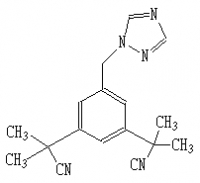
Forbes Women who have a high risk of breast cancer can reduce their risk substantially by taking either of two types of drugs — selective estrogen receptor modulators (such as tamoxifen) and aromatase inhibitors (such as anastrozole and exemestane) — yet ...
OncLive Additionally, the FALCON trial is comparing the now approved 500 mg dose of fulvestrant to anastrozole in the first-line for patients with advanced breast cancer. The equivocal findings from a comparison of the 250mg dose of fulvestrant to exemestane ... and more »
The Oncology Report Those patients had estrogen receptor–positive, HER2-negative, advanced breast cancer that failed treatment with letrozole (Femara) or anastrozole (Arimidex). Based on those results, everolimus gained approval last year in the United States and Europe ...
Wall Street Journal (press release) ... of the European Union to treat postmenopausal women with advanced hormone receptor-positive, HER2 negative (advanced HR+/HER2 n...
Cancer Network Recent follow-up results from a phase II randomized, open-label study (n = 205) comparing fulvestrant at 500 mg with anastrozole at 1 mg as first-line endocrine therapy for postmenopausal women with HR-positive advanced breast cancer (FIRST trial; ... and more »
Cancer Network Both recommended chemotherapy with docetaxel plus cyclophosphamide for 4–6 cycles, although one felt that the addition of doxorubicin (“TAC” regimen) would be worthwhile. Endocrine therapy was discussed, with one oncologist strongly recommending ...
MarketWatch (press release) ... of the European Union to treat postmenopausal women with advanced hormone receptor-positive, HER2 negative (advanced HR+/HER2 negative)...
The Oncology Report Those patients had estrogen receptor–positive, HER2-negative, advanced breast cancer that failed treatment with letrozole (Femara) or anastrozole (Arimidex). Based on those results, everolimus gained approval last year in the United States and Europe ...